Chengyu to describe emotions
Use these high-frequency **emotion chengyu (成语)** to label feelings with native-like precision. Chengyu and pinyin appear in Chinese; all explanations and examples are in English.
- Chengyu Idioms
- 3 min read
Article 3 of 5 in Chengyu-by-Function/
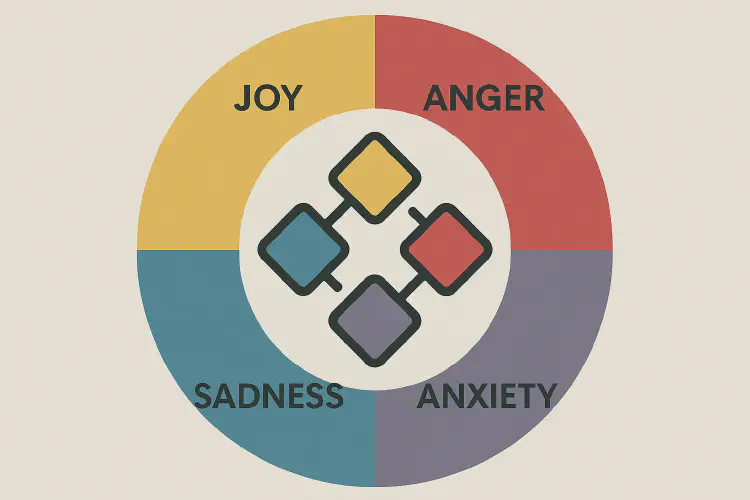
Joy & Satisfaction (positive, friendly)
- 喜出望外 (xǐ chū wàng wài) — joy beyond expectations.
Use: “When the offer arrived, we were 喜出望外.” - 眉开眼笑 (méi kāi yǎn xiào) — beaming with joy.
Use: “She walked in 眉开眼笑 after the exam.” - 心满意足 (xīn mǎn yì zú) — completely satisfied.
Use: “A simple picnic left everyone 心满意足.” - 心花怒放 (xīn huā nù fàng) — heart blossoms; overjoyed.
Use: “Fans were 心花怒放 at the encore.”
Anger & Annoyance (strong → neutral)
- 怒发冲冠 (nù fà chōng guān) — hair bristling with rage (very strong; literary).
Use: “The injustice made people 怒发冲冠.” - 怒气冲冲 (nù qì chōng chōng) — storming with anger (colloquial).
Use: “He left the meeting 怒气冲冲.” - 气急败坏 (qì jí bài huài) — flustered and furious.
Use: “Under tough questions, the spokesperson looked 气急败坏.”
Sadness, Discouragement & Regret
- 心灰意冷 (xīn huī yì lěng) — disheartened; demoralized.
Use: “Repeated rejections left her 心灰意冷.” - 悲痛欲绝 (bēi tòng yù jué) — heartbroken (very strong).
Use: “The family was 悲痛欲绝 at the news.” - 扼腕叹息 (è wàn tàn xī) — regret deeply; “wring one’s wrists.”
Use: “Missing the deadline made us 扼腕叹息.”
Anxiety, Nervousness & Unease
- 心急如焚 (xīn jí rú fén) — anxiety like burning (urgent worry).
Use: “Waiting for results, we were 心急如焚.” - 忐忑不安 (tǎn tè bù ān) — uneasy; restless.
Use: “Before the pitch he felt 忐忑不安.” - 七上八下 (qī shàng bā xià) — emotions up and down; unsettled.
Use: “Her heart was 七上八下 during the interview.”
Fear, Shock & Surprise
- 胆战心惊 (dǎn zhàn xīn jīng) — terrified; trembling with fear.
Use: “Hiking in the storm left us 胆战心惊.” - 提心吊胆 (tí xīn diào dǎn) — on tenterhooks; constantly worried.
Use: “Parents were 提心吊胆 until the call came.” - 目瞪口呆 (mù dèng kǒu dāi) — stunned; speechless.
Use: “The twist ending left viewers 目瞪口呆.” - 大吃一惊 (dà chī yì jīng) — get a big fright; be greatly surprised.
Use: “We were 大吃一惊 by the sudden outage.”
Calm, Composure & Relief
- 泰然自若 (tài rán zì ruò) — calm and unruffled.
Use: “Under pressure, she stayed 泰然自若.” - 心平气和 (xīn píng qì hé) — calm and reasonable.
Use: “Let’s discuss this 心平气和.” - 如释重负 (rú shì zhòng fù) — feel relieved; a burden lifted.
Use: “After shipping v1, we felt 如释重负.”
Embarrassment, Pride & Excitement (watch tone)
- 面红耳赤 (miàn hóng ěr chì) — flushed with embarrassment/anger.
Use: “He went 面红耳赤 during Q&A.” - 洋洋得意 (yáng yáng dé yì) — smugly proud (often negative).
Use: “Don’t sound 洋洋得意 after a small win.” - 心潮澎湃 (xīn cháo péng pài) — emotions surging; thrilled.
Use: “At the ceremony we were 心潮澎湃.”
Placement & Register Tips
- Predicate position: “She was 忐忑不安 before the audition.”
- Adverbial position: “He 泰然自若 handled the tough question.”
- Strength control: choose 眉开眼笑 / 心满意足 for gentle joy; use 喜出望外 / 心花怒放 for stronger joy.
- Formality: 怒发冲冠、悲痛欲绝、心潮澎湃 are elevated; 大吃一惊、七上八下 are conversational.
Mini Dialogues (short, natural)
- A: “How did it go?”
B: “Nervous at first—忐忑不安—but the panel was kind.” - A: “You look relieved.”
B: “Totally 如释重负 now that audits are done.” - A: “Why the big smile?”
B: “Offer letter! I’m 喜出望外.”
Quick Practice (choose the best chengyu)
- Overjoyed after unexpected good news → 喜出望外.
- Calm and unruffled under pressure → 泰然自若.
- Extremely discouraged after repeated failures → 心灰意冷.
- Very anxious while waiting for results → 心急如焚 / 提心吊胆 (nuance: urgent worry vs ongoing worry).
- Stunned into silence by a surprise → 目瞪口呆.
Common Pitfalls (fixes)
- Too strong for context: Reserve 悲痛欲绝、怒发冲冠 for serious situations. Swap to milder 难过 / 生气 if needed.
- Stacking idioms: One chengyu per sentence keeps tone natural.
- Person-targeting: Aim at feelings/situations, not people (“We felt 七上八下,” not “You are…”).
Takeaway: Keep a compact set for each emotion family—joy (喜出望外, 眉开眼笑), anger (怒气冲冲), anxiety (忐忑不安, 心急如焚), fear/shock (提心吊胆, 目瞪口呆), calm/relief (泰然自若, 如释重负), sadness/regret (心灰意冷, 扼腕叹息). Pick one, place it cleanly, and your emotional tone will be clear and native-like.