Introduction to chengyus

Definition and characteristics of chengyu

Definition and characteristics of chengyu

In this lesson, you’ll gain a precise working definition of **chengyu** (成语) and learn the key traits that make them special in Chinese. You’ll see how their fixed form, classical roots, and layered meanings help speakers communicate concisely and powerfully.
Historical origins of chengyu

Historical origins of chengyu

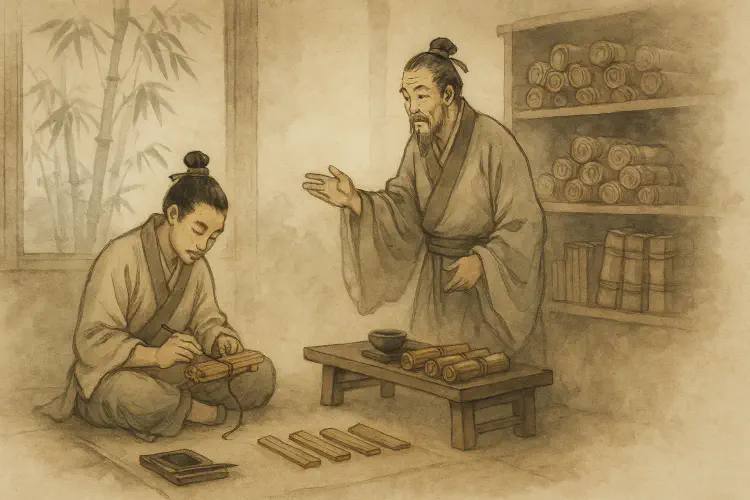
To understand **chengyu (成语)**, it helps to know where they come from. Most crystallized out of classical texts, historical anecdotes, and literary works, then spread through education and everyday usage over centuries.

Structure: four-character format

Structure: four-character format

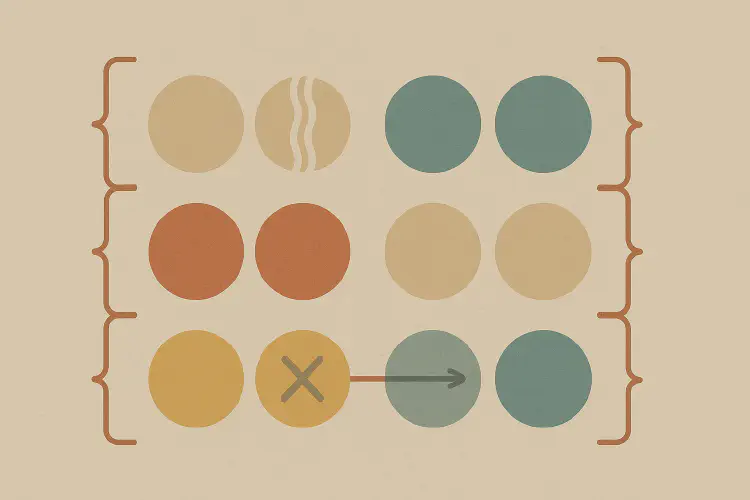
Most **chengyu (成语)** appear in a compact **four-character** (四字) mold. This form isn’t just cosmetic—it encodes balance, rhythm, and meaning density that make chengyu memorable and powerful.

Cultural significance in Chinese society

Cultural significance in Chinese society

Beyond vocabulary, **chengyu (成语)** are cultural keys. They compress history, ethics, and aesthetics into four characters, shaping how ideas are framed in education, media, and daily life.

Difference between chengyu, proverbs, and idioms

Difference between chengyu, proverbs, and idioms

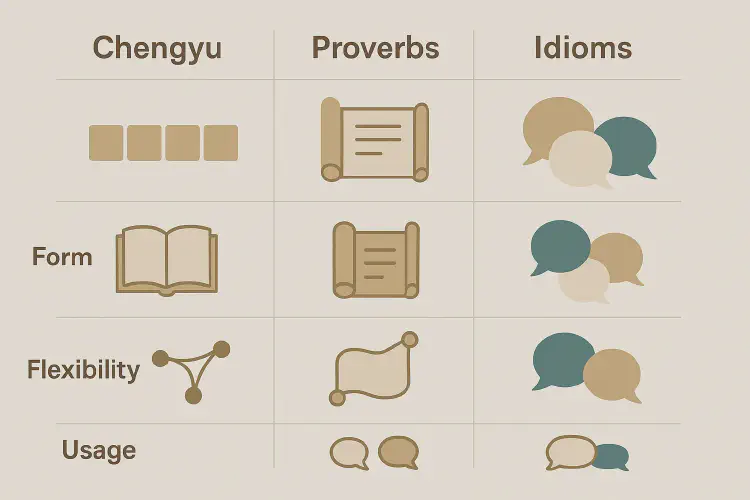
Learners often lump **chengyu**, **proverbs**, and **idioms** together, but they differ in **form**, **origin**, **flexibility**, and **usage**. This guide gives you quick tests and examples so you can choose the right tool for the right context.